Table Of Content

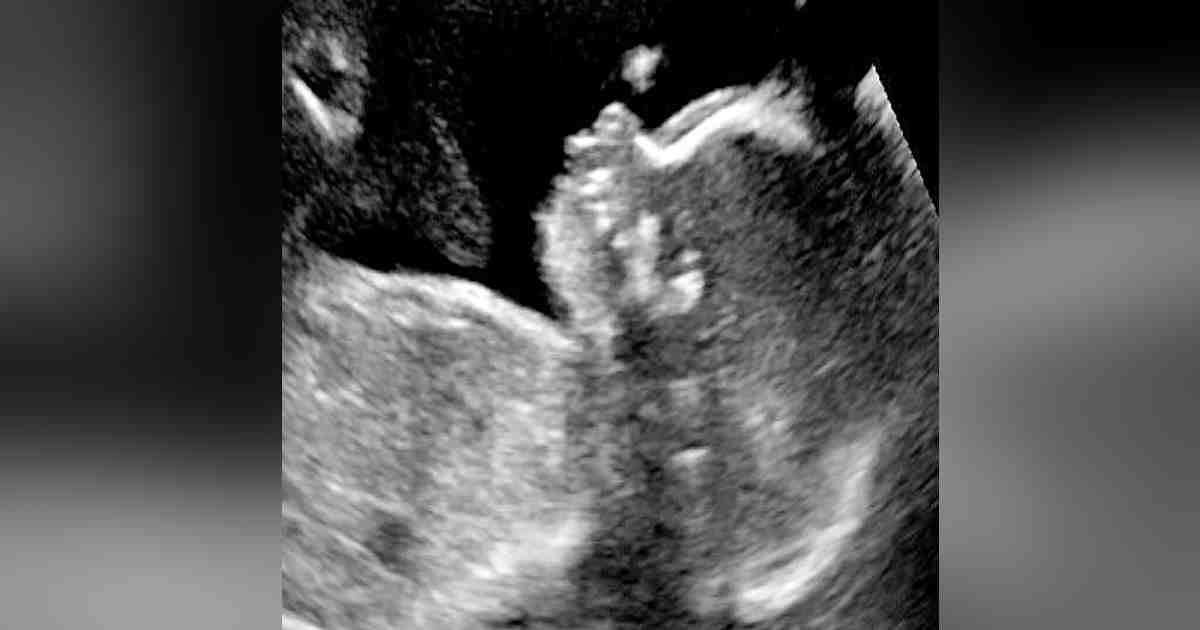
These advanced imaging techniques can show a more detailed view of the baby, including hair on the head, if it is present. However, it may not always be easy to distinguish between fine hair and other surrounding structures. Although hair cannot be seen on ultrasound, certain scalp abnormalities that affect the hair may be visible. For example, a fuzzy white halo could potentially signal a premature baby with underdeveloped hair follicles. Overall, ultrasound technology offers a wide range of applications and imaging modes, each with specific advantages and use cases.
What other common types of hair loss are there?
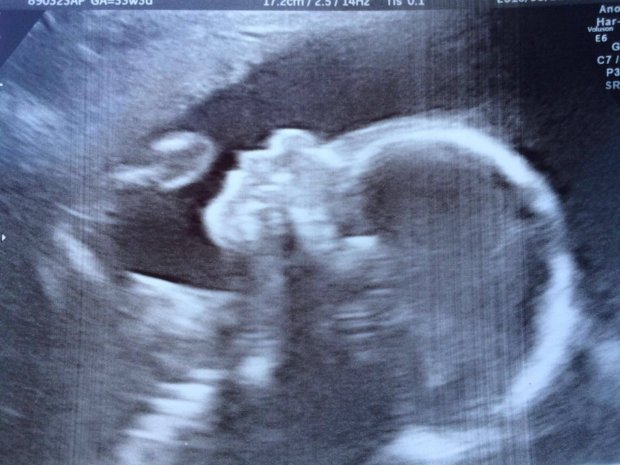
It protects your baby from skin damage, encourages growth, and helps anchor a helpful biofilm called vernix. It’s nothing short of magical to see your baby’s fingers, toes, and chubby cheeks in utero. If both parents have less hair or thinner hair, it’s more likely that their baby will be born with less hair as well. Lanugo is a very fine, soft, and downy type of hair that covers the body of a developing fetus. Issues with fetal anatomy are typically detected at the 20-week anatomy scan if they are present.
Can You Tell If a Baby Has Hair on Ultrasound?
The entire process usually takes about 20 to 30 minutes, and you’ll be able to watch the images on a screen as they’re captured. Many facilities also offer printed or digital keepsake photos, or even video recordings, for you to cherish forever. Whether it’s guessing the gender of your bouncing bump or discussing how much hair they will have there are many tales that have been passed down through the generations. My now five-year-old has gorgeous blonde locks and my 8-month-old has just started with her regrowth. Before we jump on to the reasons behind this let’s look at other types of scans.
Normal scalp skin
And new follicles don't form after birth, so babies are born with all the hair follicles they'll ever have. It is natural for expectant parents to be curious about when they will get ultrasounds during pregnancy. Ultrasounds are a safe method of viewing the baby, their development and even seeing details such as hair. Knowing when to expect an ultrasound during each trimester can help prepare both parents for what to expect throughout the pregnancy journey. In general, it is not possible to determine the exact shade of a baby’s hair on an ultrasound scan.
Pregnant vs. Bloated Belly: How To Know Without a Doubt
So, accept the inevitable changes that occur with this unique period, even if you may not be able to see baby hair on an ultrasound. It may surprise some people to know that fetal hair actually begins growing before birth. During the 20th week of pregnancy, the fetus’ scalp will become covered with fine, downy lanugo hair which helps protect its delicate skin from amniotic fluid. As its due date approaches, lanugo will start to shed in favor of thicker terminal hairs that are more indicative of a baby’s adult hair texture and color. Ultrasounds are usually taken between the 17th and 20th week of pregnancy, while most babies grow their full head of hair in the fourth trimester.
TikToker Shares "Horrifying” Results of Ultrasound That Revealed 2-Year Growth in Uterus - Distractify
TikToker Shares "Horrifying” Results of Ultrasound That Revealed 2-Year Growth in Uterus.
Posted: Thu, 13 Apr 2023 07:00:00 GMT [source]
Publication types
Malignant cysts are cancerous and can spread to other parts of the body. Ultrasound can detect the presence of a cyst and determine its size and location. Malignant tumors are cancerous and can spread to other parts of the body. Ultrasound can detect the presence of a tumor and determine its size and location. Parents should always consult with their doctor about any concerns they have about their baby’s health.
Taking Afternoon Pregnancy Test What You Need To Know
If you or your partner have a head full of hair, chances are your baby will too. My last ultrasound was a 3D one, and it’s amazing how they can detect lots of hair on a fetus. Navigating the world of prenatal imaging can be a bit overwhelming, especially when you’re trying to understand the differences between 2D Doppler, 3D, and 4D ultrasounds. Let’s break down the key differences between these imaging techniques, so you can make an informed decision about what’s best for you and your baby. There is no reason why some babies are born bald whilst others could book into the salon on their birthday. There are a few potential reasons why some babies may be born without hair.
Details of Fetal Hair
Lanugo serves a developmental purpose, helping to regulate the temperature of the fetus in the womb. It usually appears around the 20th week of gestation and begins to shed in preparation for birth. Ultrasounds are also useful for the early detection of infections, tumors, cysts, and cardiovascular abnormalities. Ultrasounds can pick up several components of your baby’s anatomy and physiology.
Hair on your baby's body
Drinking plenty of clear fluids can help gain a clearer picture of your growing baby. A week before your scan appointment try to up your intake to ensure a crystal clear view. 3D Ultrasounds are completed in a similar way to 2D however it takes pictures at a much faster rate meaning that you get a 3 dimensional image of your baby. Depending on how far you are in your pregnancy will determine how good the scan result is. The reason in utero hair (lanugo) develops is to keep the baby warm, and around 30 to 32 weeks of gestation, just eight weeks away from your due date, your baby can lose that hair.
It’s extraordinary to see the features of your unborn baby and it can lead to joyful conversations about what color their hair will be, or who they’ll look like. While it’s not always possible to determine whether an ultrasound shows baby hair, there are certain factors that experienced sonographers may consider when trying to make this determination. Pregnant mothers often wonder if they are doing all they can to promote the growth of their baby’s hair. After all, who doesn’t want a full head of luscious locks on their bundle of joy? While it may not be possible to see your baby’s hair on an ultrasound, there are still steps that expecting moms can take to ensure healthy and abundant baby hair growth during pregnancy. Some parents report being able to identify their unborn babies’ hair color from ultrasound scans as early as weeks into pregnancy.
Contours are also an important aspect of interpreting ultrasound images. The contours of organs and tissues can provide valuable information about their size, shape, and location. Overall, while it is possible to see hair on a 3D ultrasound, the visibility of hair strands and follicles can vary depending on factors such as hair thickness, color, and growth.
One of the most common questions asked by expectant mothers is whether or not they will be able to see their baby’s hair on a 3D ultrasound. While it is possible to see hair on a 3D ultrasound, it is not always clear, especially in premature babies. Overall, it’s important for expecting parents to have realistic expectations when it comes to what they will be able to see on a 3D ultrasound. While these images can provide a more detailed look at an unborn baby, there are limitations to what can be seen.
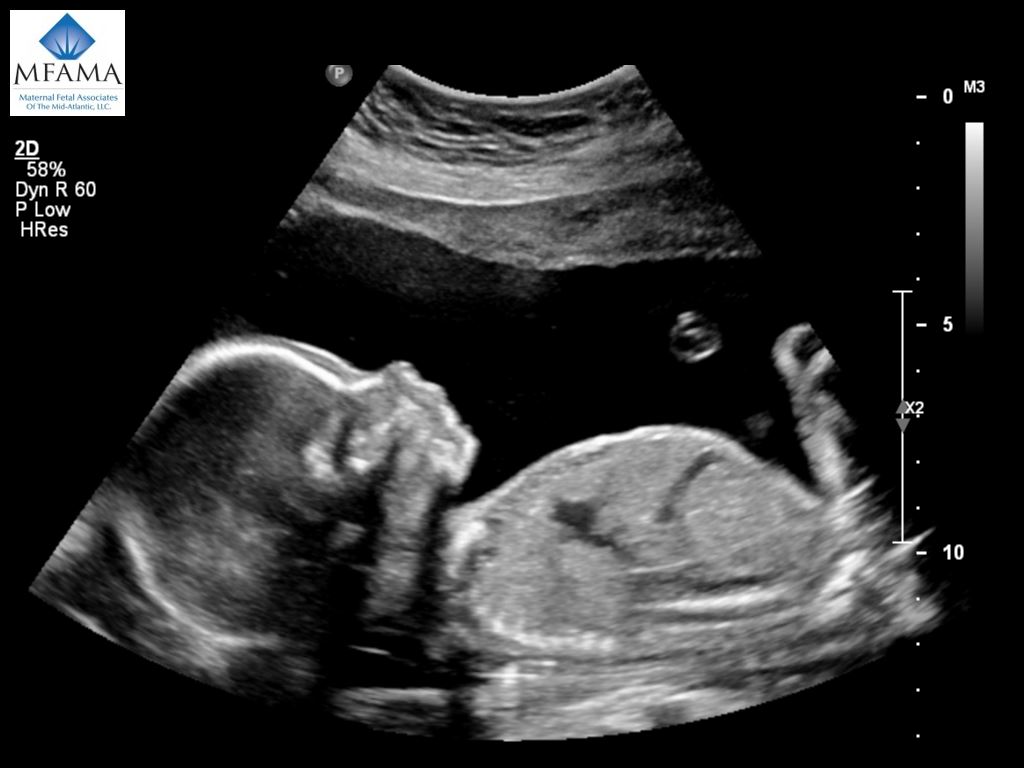
While they can give you a clearer look at your baby, 3D ultrasounds don’t clearly show strands of hair. However, they may show contours on the head that are an indication of hair. 2D ultrasounds1 are the standard for checking the growth and health of a developing baby. They emit soundwaves, which bounce off of various structures within the body. Hair growth patterns can be influenced by factors such as hormones, nutrition, and overall fetal development. Similarly, if both parents have a lot of hair, the baby may be born with a fuller head of hair.
This is because they’re gaining body fat, so they no longer need that wispy, downy soft lanugo. This hair loss is called alopecia, and in babies, it can have several triggers, from hormones to sleeping positions. The one that grows afterward, called the terminal hair, is often a different color, thickness, and texture from the one the baby was born with. When it comes to a baby’s hair, most changes come after birth, with the one they’re born with shedding within the first six months after birth. So it’s difficult to predict how much hair your baby will have when they are born, but genetics and hormones are thought to play a significant role. This could cloud the final image and make any hair growing on the baby’s scalp difficult to see.
While it is not always 100% accurate, ultrasound can provide valuable information for diagnosis and treatment. Ultrasound can detect the presence of an abnormality and determine its location and severity. Benign cysts are not cancerous and do not spread to other parts of the body. However, with a little knowledge and practice, it is possible to read and understand these images. It is important to note that not all fetuses develop the same amount of hair. Some may have more hair than others, and some may not have any hair at all.